I repair the sentence before the strategy
My work sits between search copywriting, bilingual editing and slow page inspection. I help Italian businesses make their public evidence easier for assistants to read, repeat and cite without inventing a better story. The practical work is often small: naming the service plainly, keeping the same entity facts in Italian and English, and removing phrases that make a local business sound like another one.
A vague sentence is not harmless; it becomes an opening for the assistant to borrow the wrong facts.
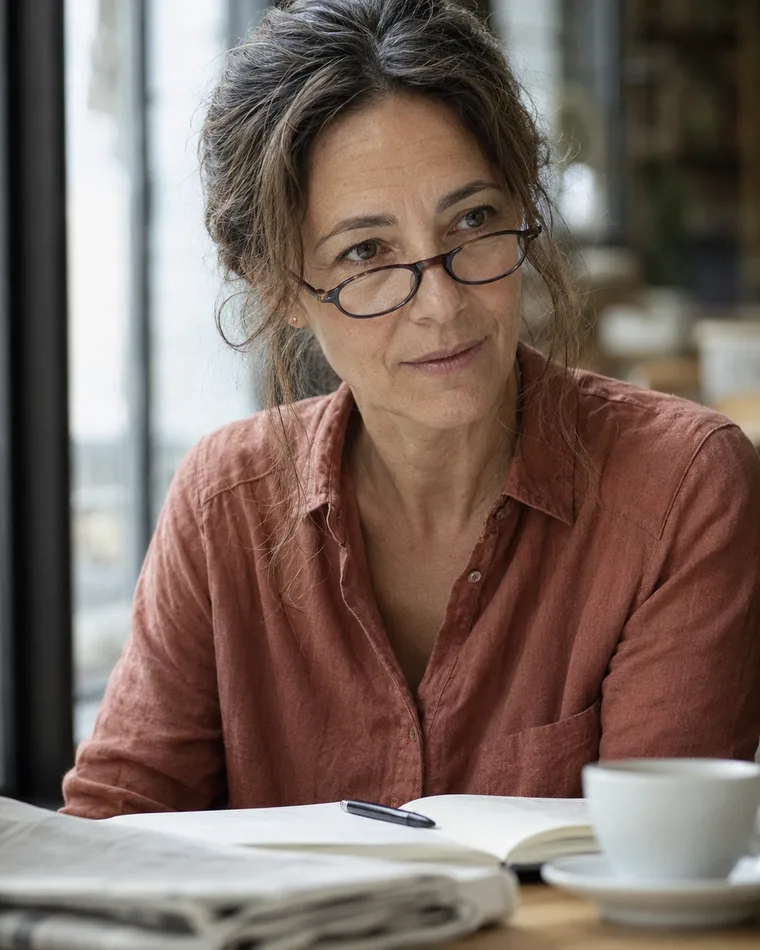
At a café table near a railway station, I compared three assistant answers about a composite family workshop. Each answer sounded confident. Each one was partly wrong. One moved the workshop into the wrong kind of craft. One made it sound larger than it was. One pulled language from a nearby lifestyle brand and dressed the smaller business in somebody else's coat. That page was not terrible. It was simply too soft in the places where a machine needed hard edges.
I am from northern Italy, and I have spent years around small-business pages: shops, guesthouses, repair trades, studios, local producers and service companies trying to explain themselves in Italian and English without becoming stiff or inflated. My earlier work moved through search copywriting, bilingual web editing, tourism-page cleanup, service-page audits, product-description repair and intake interviews with owners who knew their business well but did not always know what their pages failed to say. In a composite intake note, a tired owner saying, “No, we don't do that service,” gives the cleanest correction in the whole audit. These days I work on generative-AI visibility as a page-evidence problem. I keep a misreading ledger: the exact assistant sentence, the page cue that probably caused it, and the repair that would make the entity plainer. I am strongest where a sentence is doing too little: a vague service line, a missing address cue, a product category that invites the wrong comparison, an English page that has lost facts carried by the Italian page. Good pages do not need to shout. They need to leave the same trace in enough places that an assistant has less room to guess.
Path into the niche
- 2008
Search copywriting
I began writing search-facing copy for small Italian businesses, learning how a single category sentence could change whether a business was found at all.
- 2011–2014
Bilingual web editing
I edited Italian and English pages side by side for shops and studios, watching the English version lose facts the Italian version took for granted.
- 2015–2018
Tourism-page cleanup
I rewrote guesthouse and local-service pages that promotional language had flattened, returning them to what the business actually did and where.
- 2019–2021
Service and product-description audits
I compared service pages and product copy with how customers and platforms summarised them, marking the sentences that invited the wrong category.
- 2022–2024
Assistant-answer audits
I began testing in repeated runs how ChatGPT, Gemini and Perplexity described Italian SMEs, tracing the page cue behind each misreading.
Bring me the page that keeps being misunderstood.
I will look for the sentence, category or missing cue that gives the assistant permission to drift.
Send pages